
The lyrics to an old Three Dog Night Song keep running through my head.
“I’ve never been to heaven, but I’ve been to Oklahoma. Well they tell me I was born there, but I really don’t remember.”
We’re on a bus to Portsmouth, on the south coast of England. Portsmouth is my personal Oklahoma. They tell me I was born there, but I really don’t remember.
Actually, they tell me I was born near Portsmouth, where my father was stationed as an artificer in the Royal Navy. We lived in naval housing in Gosport, a town on the western side of Portsmouth Harbour. We moved away when I was 4.
I don’t have any memories of my early years on the south coast, other than a vague recollection of mailing a letter in one of England’s ubiquitous round, red postal boxes. There’s an oft-repeated family story of my mother leaving me outside in my pram in the rain, but I’ve probably repressed the memory of almost drowning. Mum insists I was never in danger, but what else would she say?
Honestly, for me that applies more to England in general — I cling to my English heritage even though I only spent one-sixth of my life in the Mother Country — and Newmarket in particular. Newmarket is the town in Suffolk where my family’s roots run deepest. My parents and grandparents called it home, and I attended school there for a year or two. Portsmouth was just one stop in my father’s naval career.
Still, I’ve always been curious about where I was born. We hadn’t made it to the south coast on our other trips to England, mostly because of logistics. But with more time available during the European odyssey, we decided to make it a priority.
Our first glimpse of Portsmouth was a brief one. The bus took us to Southsea, where we boarded a hovercraft for a trip across the Solent to the Isle of Wight. But after a wonderful three days on the island we were back to spend a couple of days in the city (sort of) of my birth.
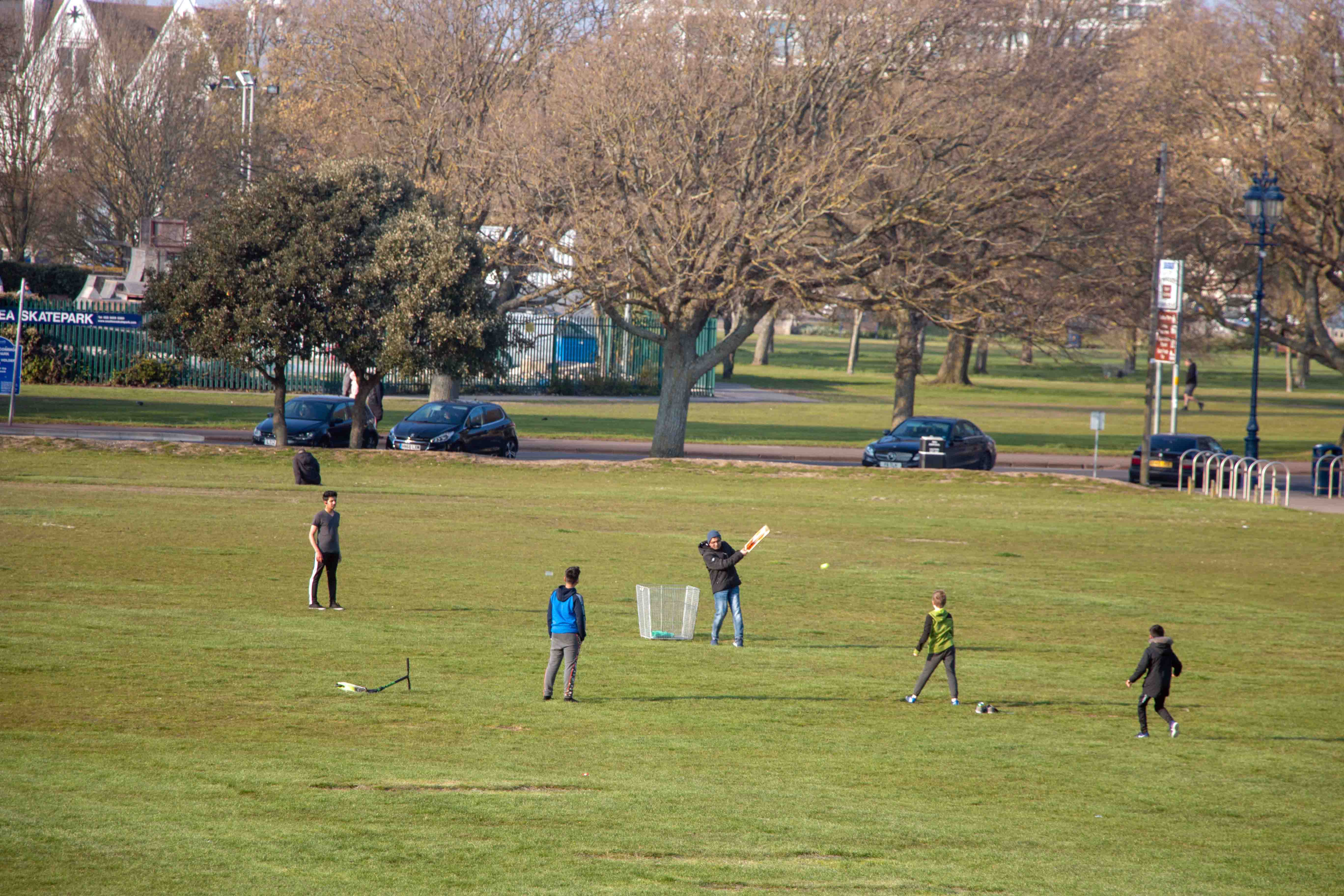
We checked in after walking up from the hoverport, grabbed a quick meal at a nearby Portuguese restaurant, and set off to explore the city. We crossed the Southsea Common, a large greenspace where dogs were chasing balls, young men were playing football (the real kind), and a family was playing cricket. That took us to the Portsmouth Naval Memorial, which commemorates nearly 10,000 naval personnel from World War I and almost 15,000 from World War II who were lost or buried at sea.
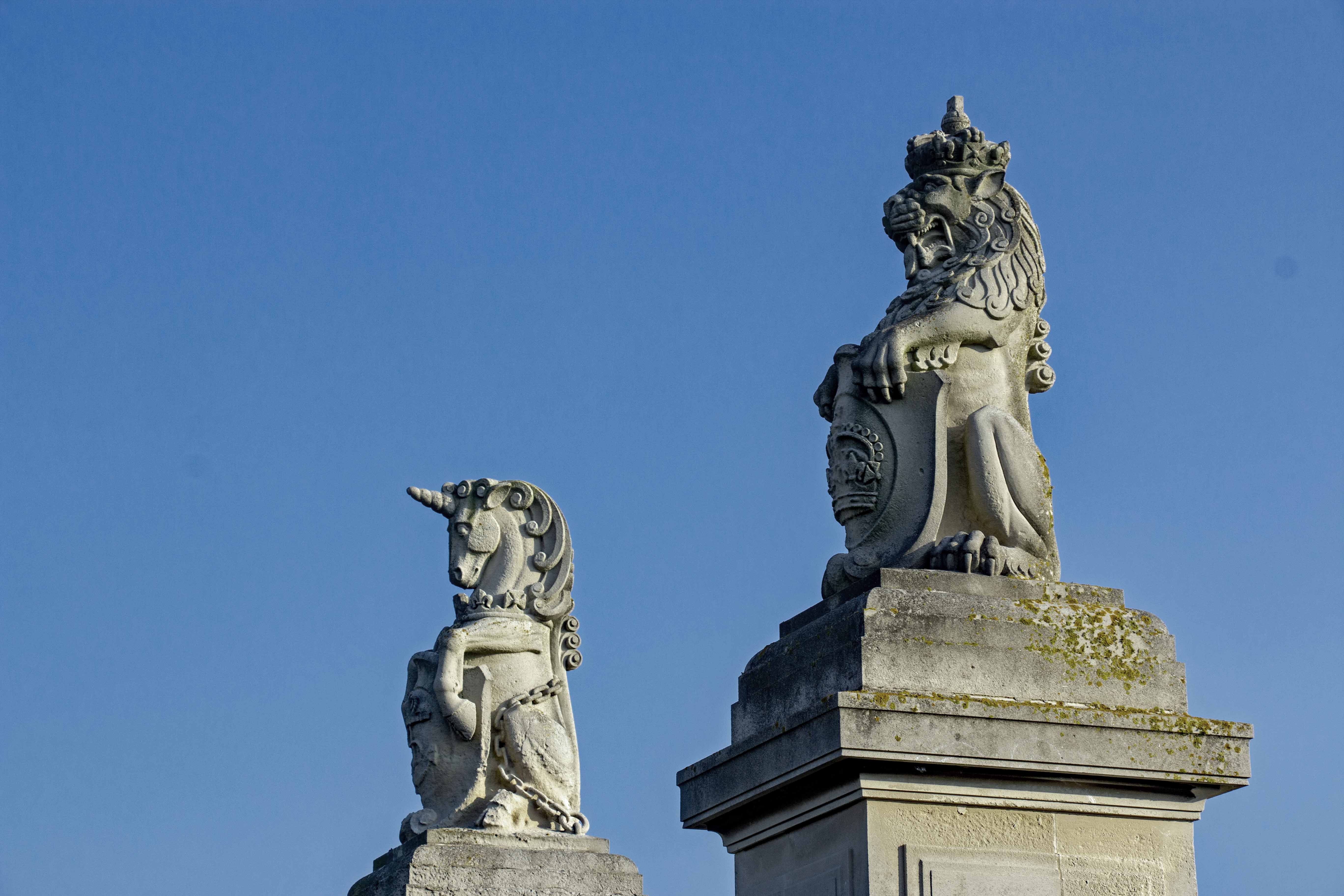
The fortress was constructed by order of Henry VIII in 1544 to guard the harbor from French invasion. It remained in active service until 1960, when it was purchased by the Portsmouth City Council. It’s not the most imposing or impressive castle we’ve seen, but the history was interesting and best of all there’s no entrance fee.
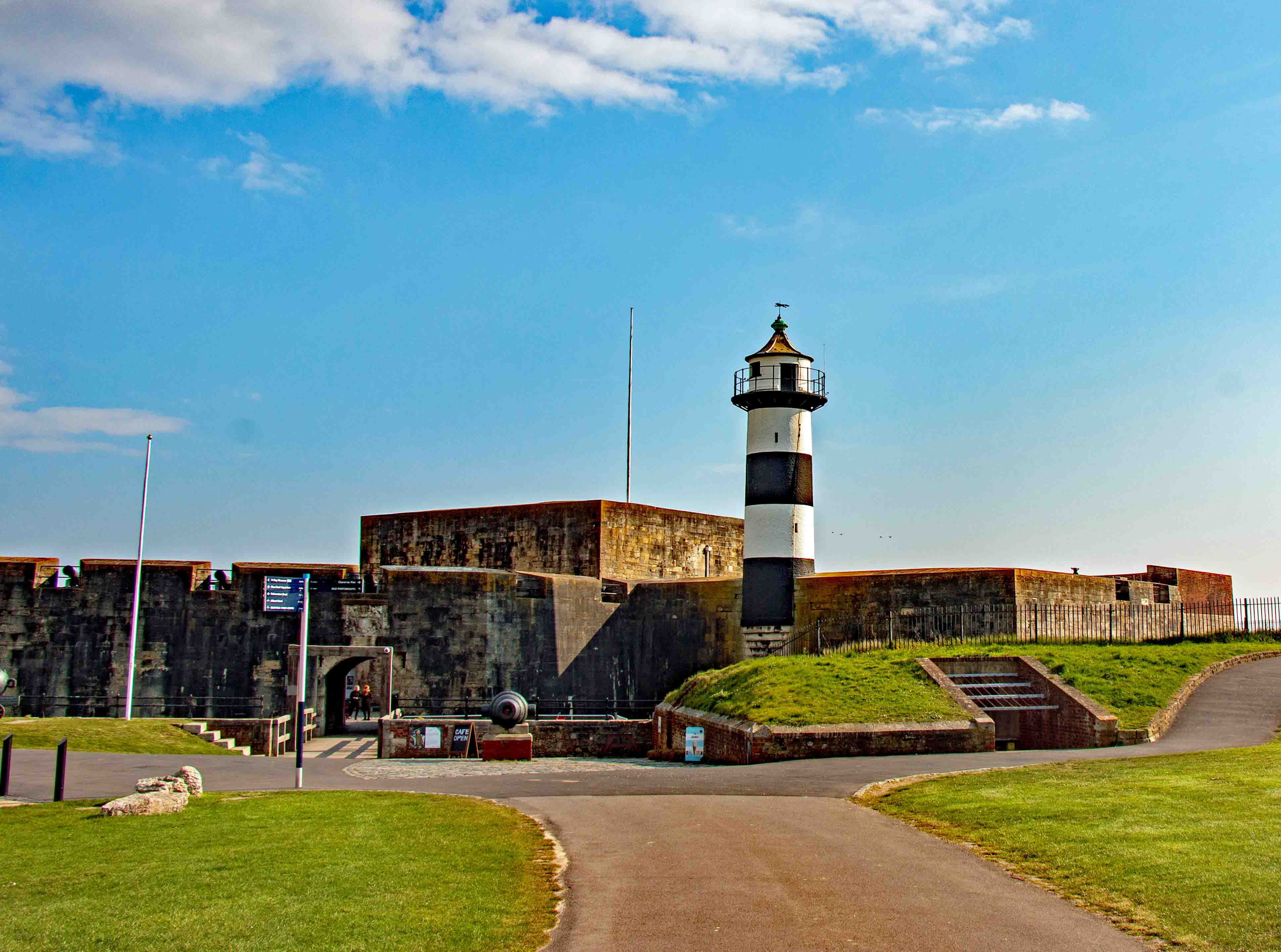
It was late afternoon by the time we left the castle. Christine was tired and headed back to the hotel. I opted for a visit to the D-Day Story, a museum that tells the tale of the Normandy landings. Although the exhibits closed in an hour, I paid my 10 pounds and went in. The museum is fascinating and extremely well organized. I easily could have spent half a day in there, but a little time was better than none.
Day 2 was dedicated to touring the Portsmouth Historic Dockyard. This was a must-see on my list, because it contains the ultimate symbol of how Britain became great: HMS Victory.
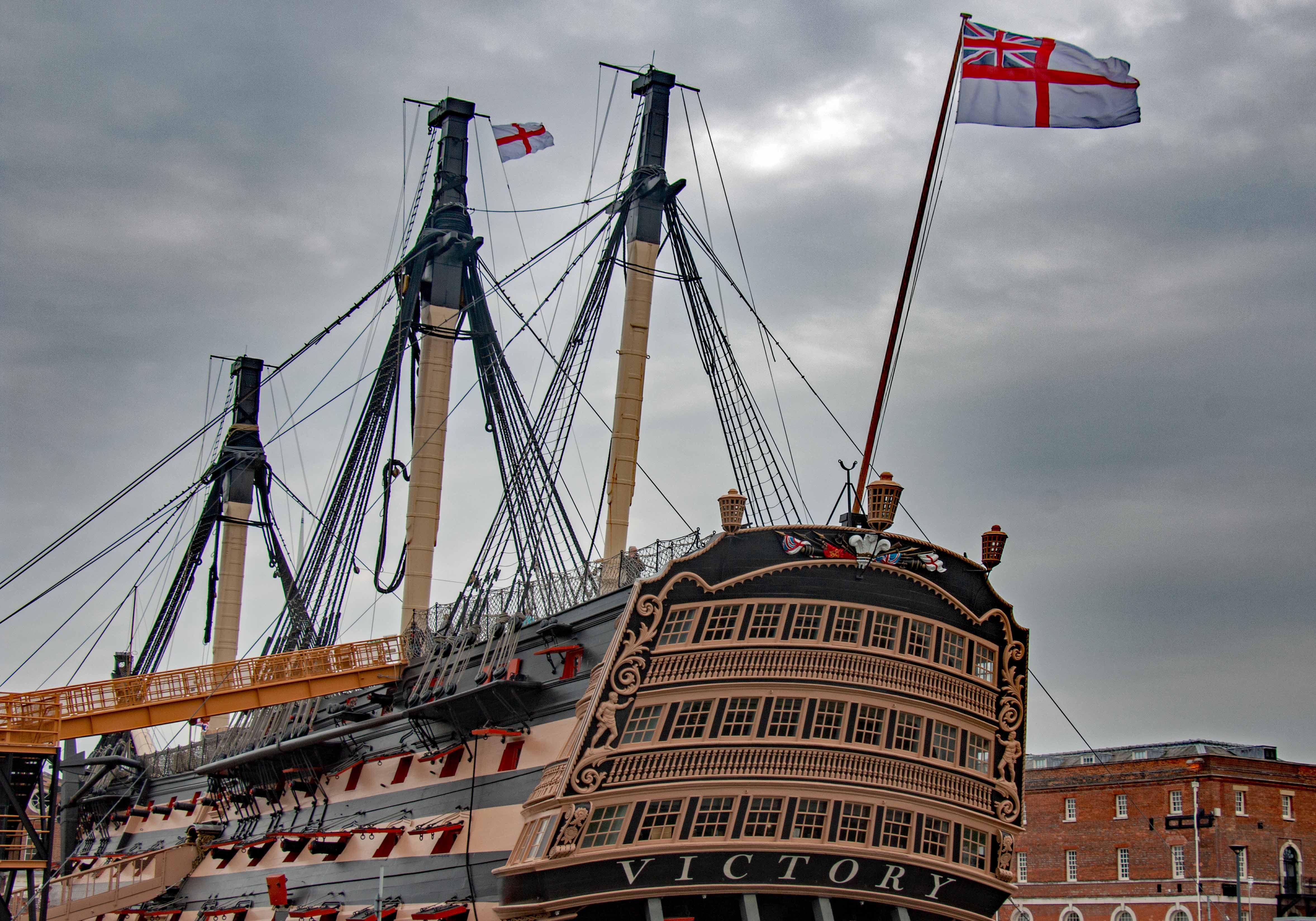
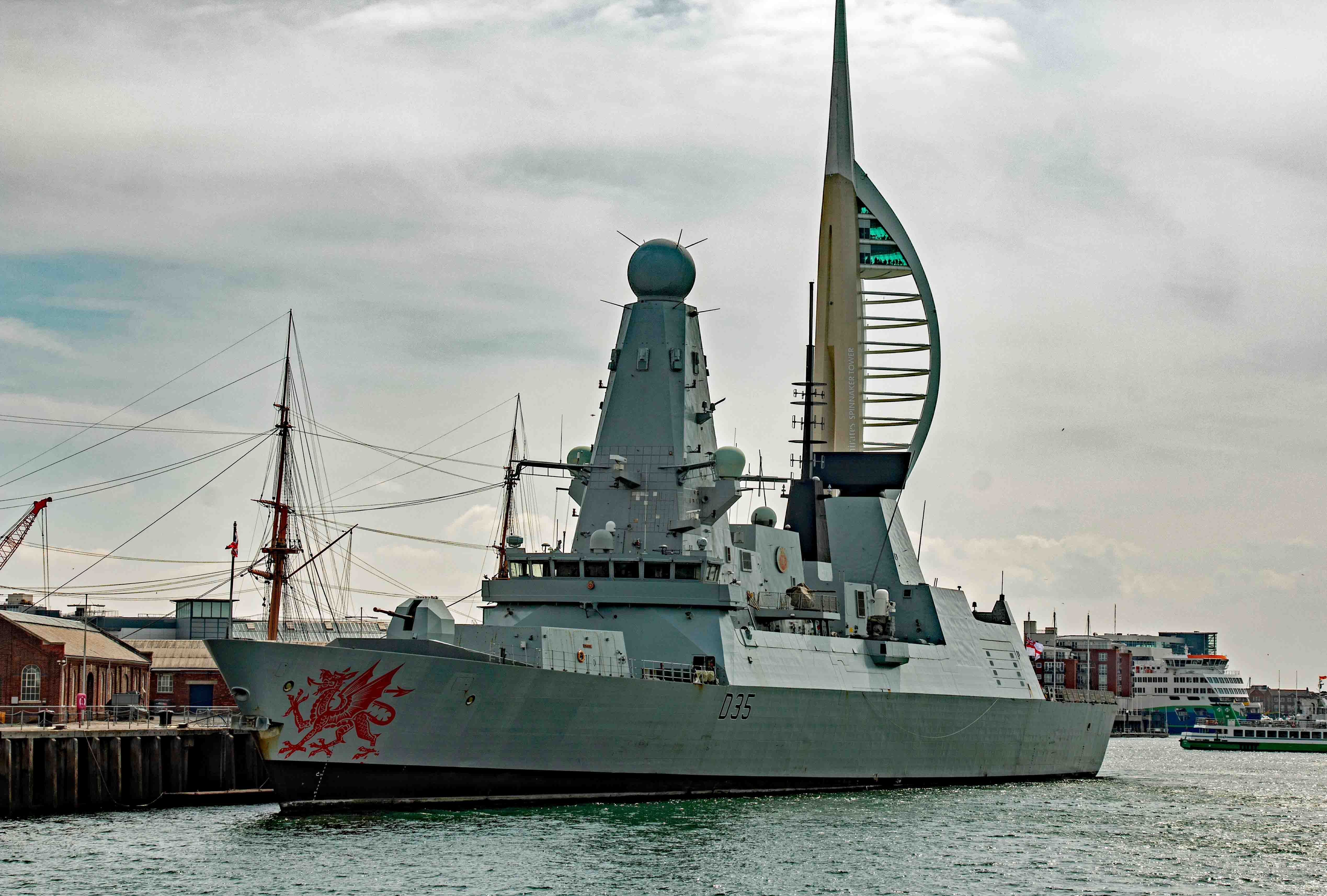
There are several attractions at the Dockyard—museums, submarines, historic ships. It costs almost 40 pounds to see them all. We thought that was a little steep, so we purchased a two-attraction ticket for 27 pounds each.
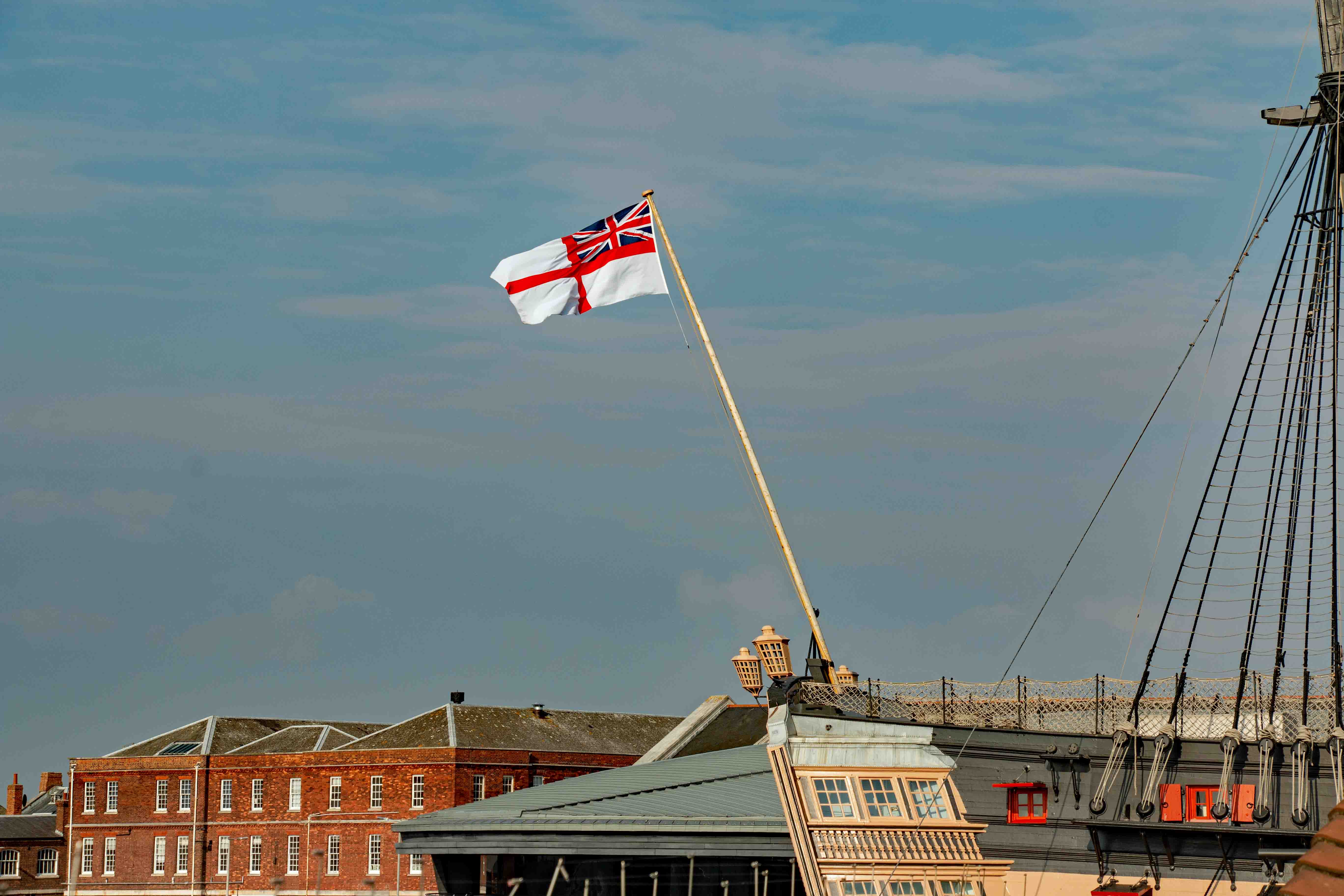
The second attraction, of course, was the Victory. It did not disappoint. We walked the quarterdeck where Nelson walked, saw the spot he fell, toured the great cabin where he drew up the brilliant battle plans that split the opposing fleet, and explored all seven decks of the ship. There were enthusiastic guides on every deck, eager to explain the workings of the ship. One caveat: either sailors were shorter back then or were used to stooping. I bumped my head about a dozen times on the Victory’s low ceilings below decks.
After leaving the Victory we had a quick look around the Nelson museum. Then it was time for something completely different: Evensong at Portsmouth Cathedral.
After the service we made the long walk back to our hotel’s neighborhood, had dinner at a pub, and called it a night. The next morning, we were back on the bus, headed to Essex for a house/dog sit.
We both wished we’d spent at least one more day. We’d have liked to visit the Charles Dickens Birthplace Museum, and to take a ferry across to Gosport to at least set foot in the town where I was born. But the two days were enough to get a good flavor of the area. I didn’t learn a lot about my roots, but I did discover that Portsmouth is a great place to visit.
[ngg src=”galleries” ids=”9″ display=”pro_mosaic”]

