
A relaxing, laid back place to visit, with a touch of adventure
One stereotype of British people is to paint them as formal, stiff, not overly chatty. But in our short time on the Isle of Wight, a vacation destination off the south coast of England, we met extremely friendly residents and travelers who wanted nothing more than to talk about how much they love the Isle.
Repeatedly we heard “I’ve been coming here for years.” One family said they were just talking of relocating from north of London because their two small sons love it there so much. It’s a perennial choice when the English are asked to list their favorite holiday spot, particularly for families with small children. We read in a magazine story that actor Rupert Grint of Harry Potter fame loved to vacation on the isle.
After our brief three-day experience, we are with them in loving the isle, and wished we’d taken more time to explore.
Families love coming to the Isle of Wight because there’s lots of activities for children. For us it was a great place to relax, to see some beautiful scenery, and to learn some history. It’s easy to get around without renting a car. The bus system can get you most anywhere you’d like to visit at a reasonable cost and in a relatively short period of time.
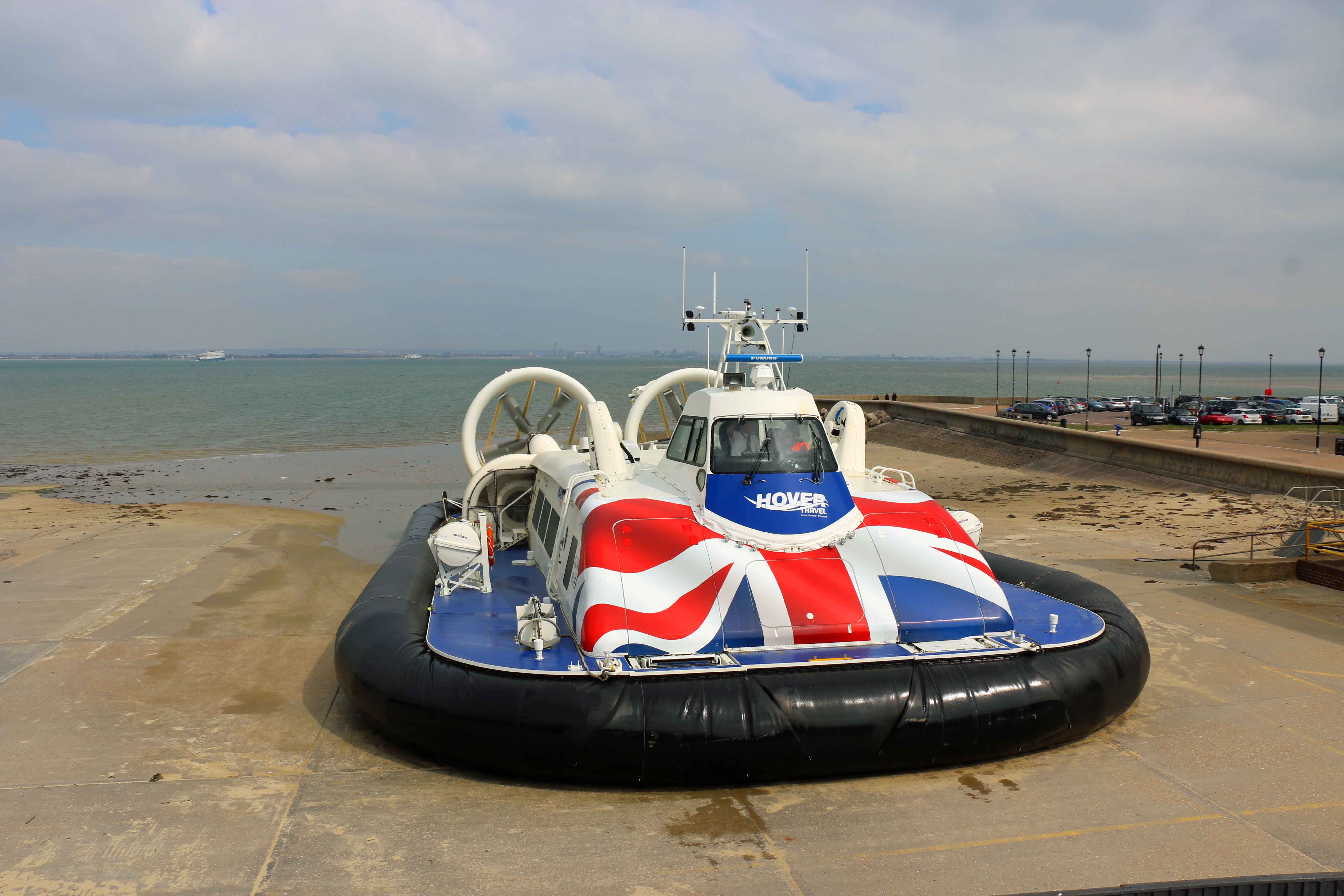
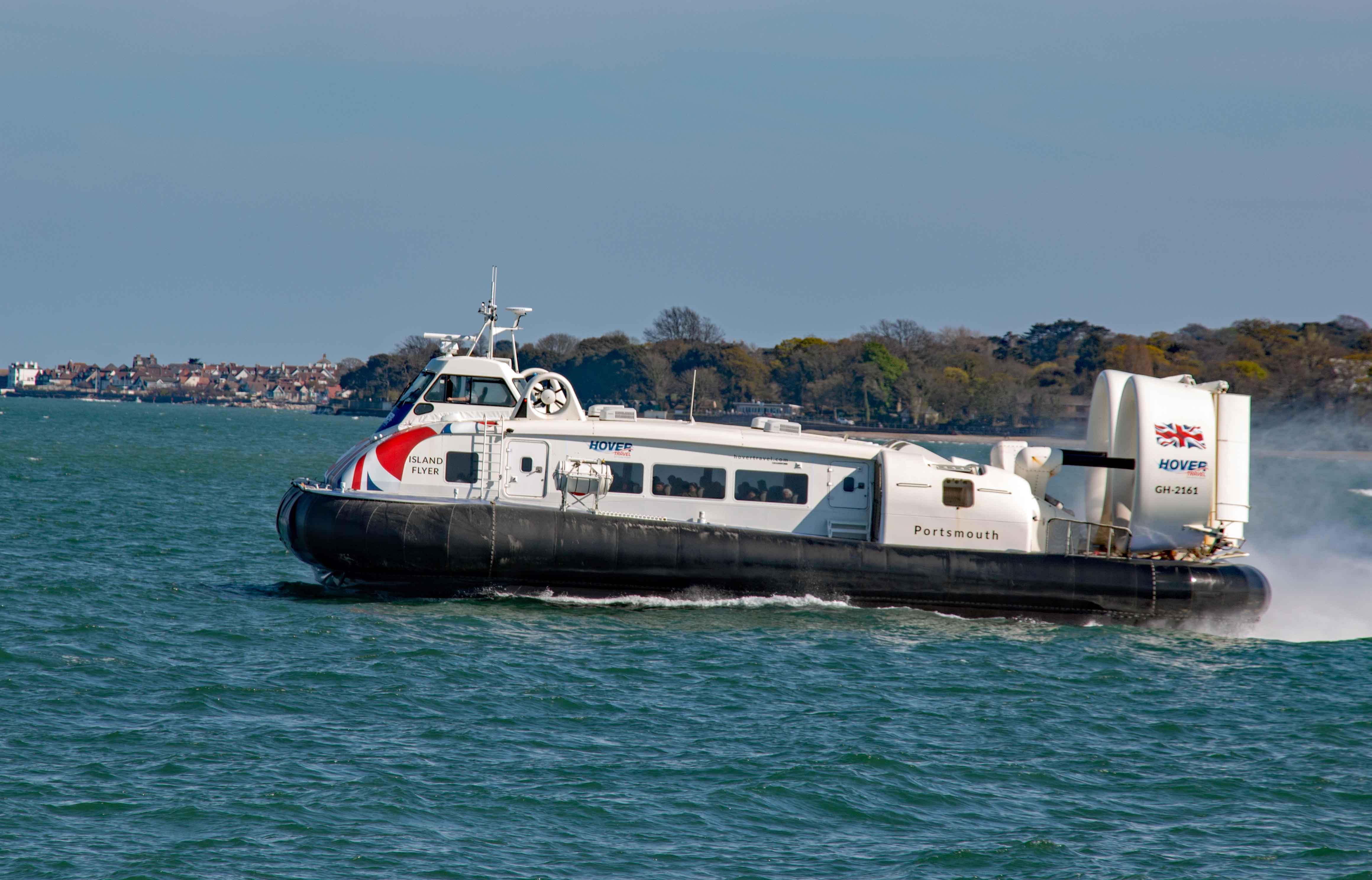
Our journey began with a hovercraft ride across the Solent from Portsmouth to Ryde. It lasted all of 10 minutes as the 70+ passenger craft floated across the water at about 35 mph. For me, it felt a little like being in a Johnny Quest cartoon — very cool. As we found out, it is the only place in the world where regular hovercraft ferries are in use.
We then toted our luggage straight uphill, on a typical high street until we saw one little gate on the busy street that said “Garden Cottage”. We stepped from commerce to a hidden home with a garden cottage that we rented through Airbnb.
On our first full day we took a two-hour bus trip from Ryde to Alum Bay to see the famed Needles. The view along the way was bucolic, with quaint towns, pastures filled with horses and sheep, and yellow fields covered with rapeseed.
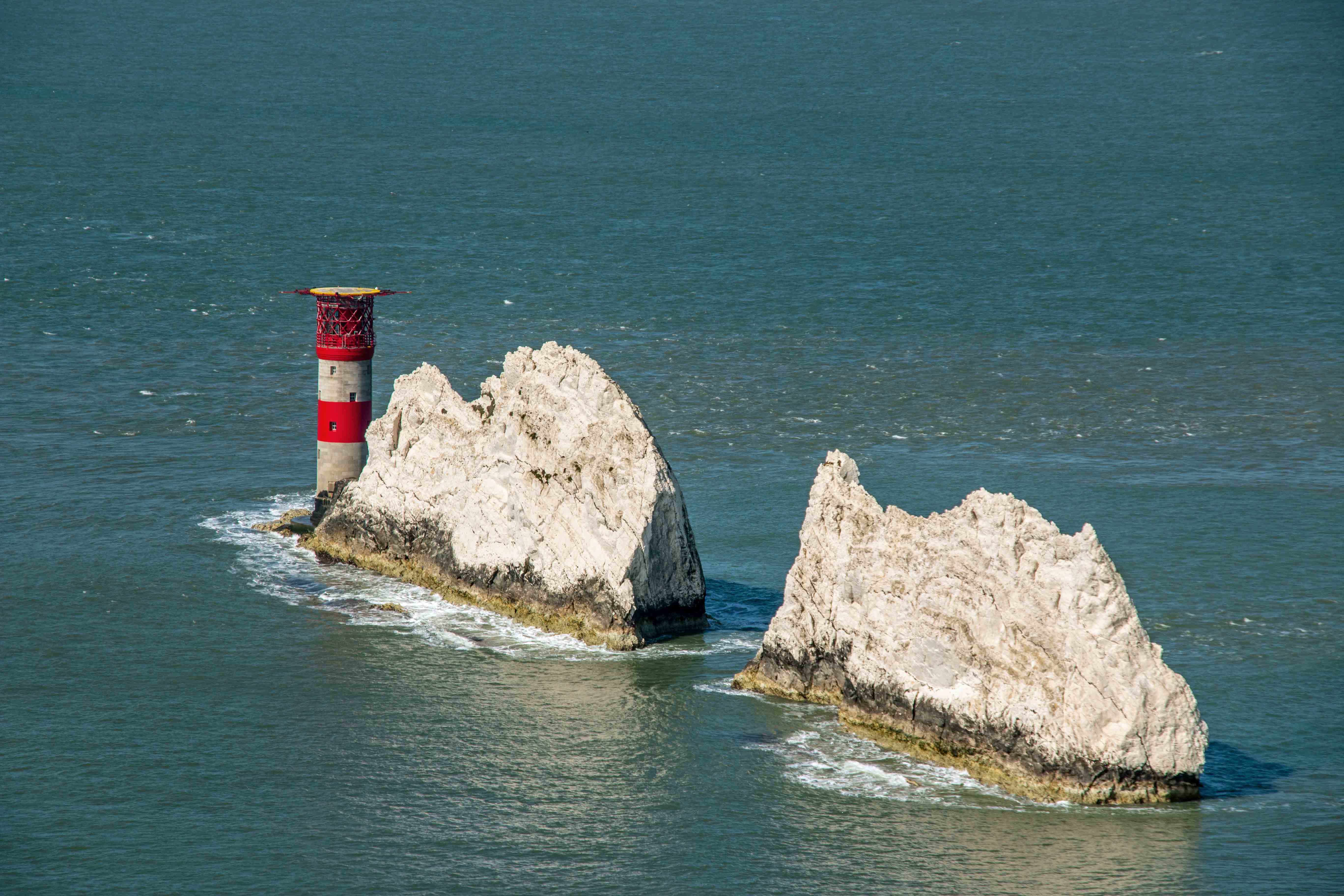
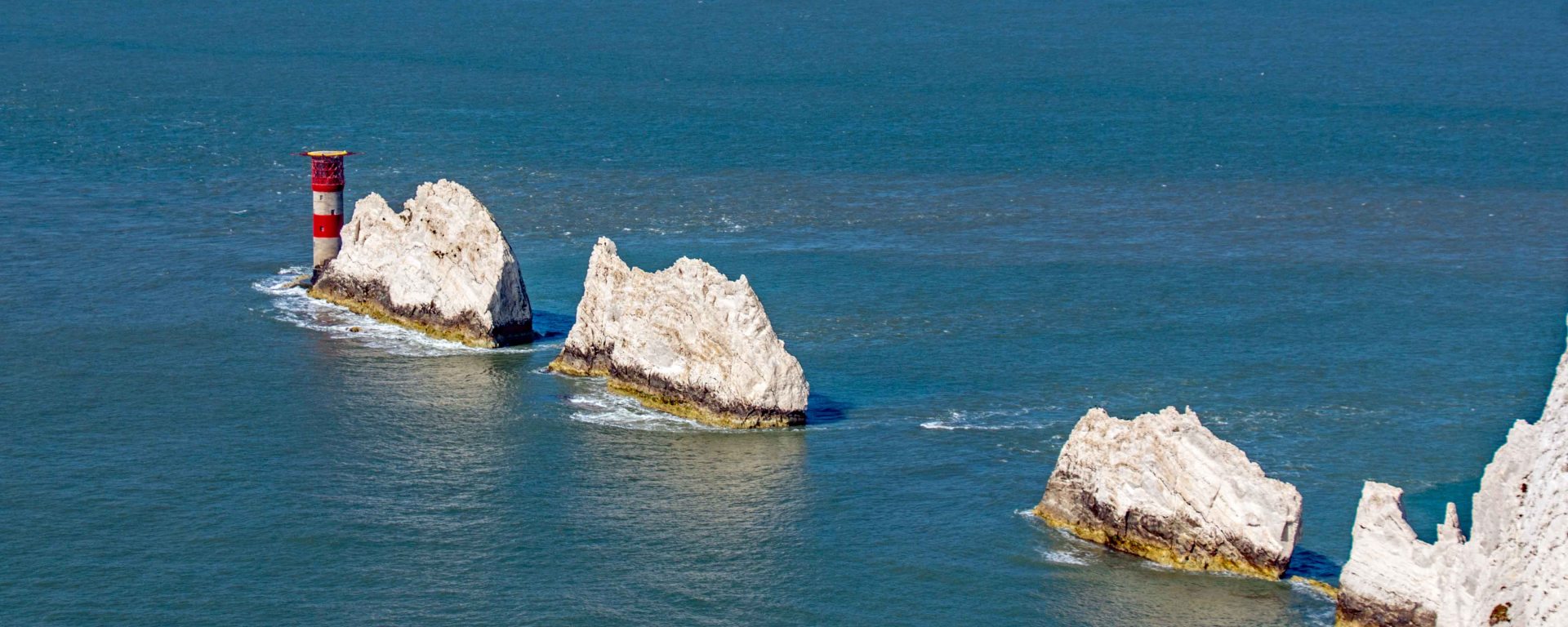
The Needles are three thin, chalk outcroppings, sticking up from the bay with a small lighthouse nestled on the end. You can only get close to them by boat, but they make for a lovely background.
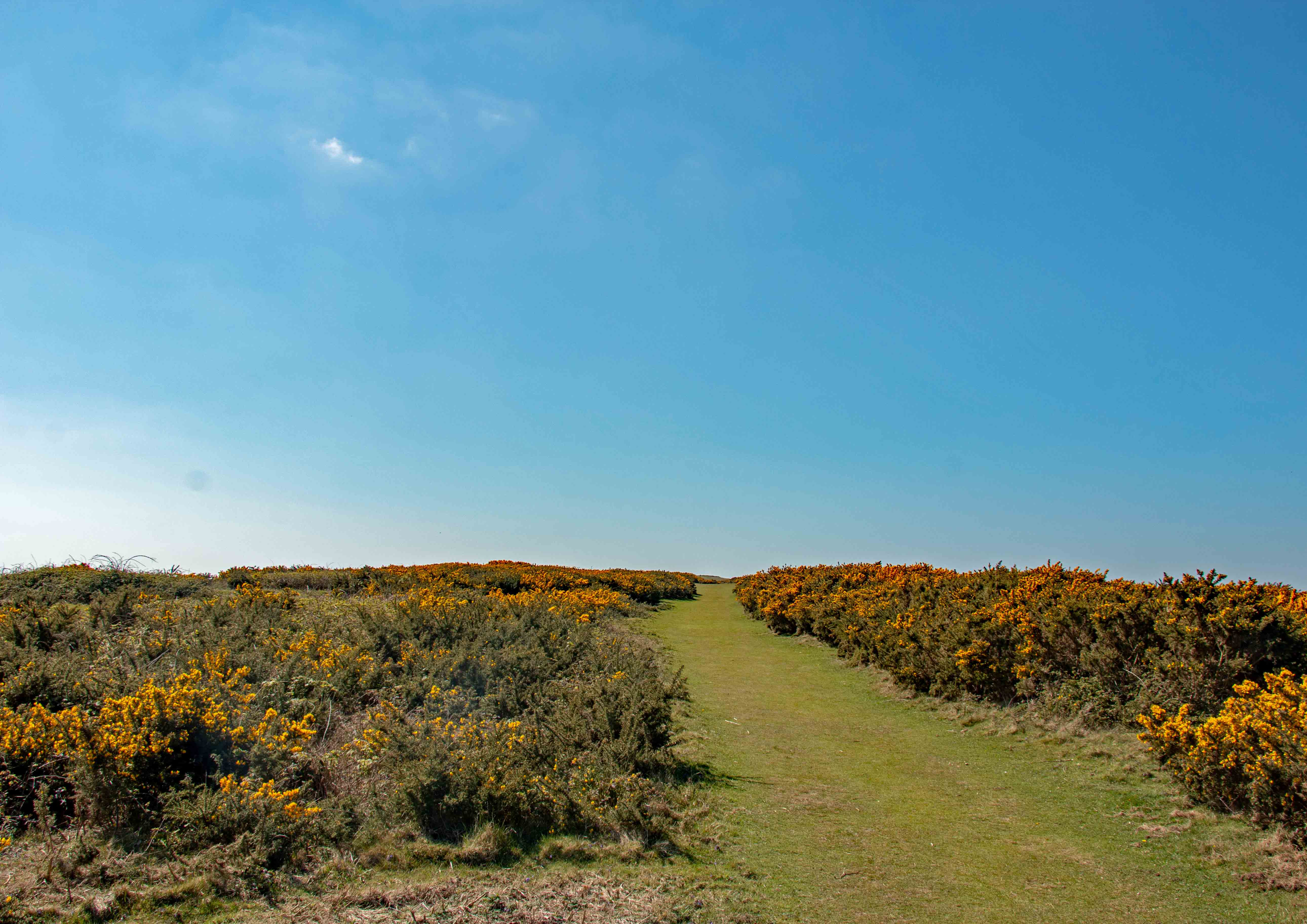
We saw the old secret missile testing site and planned to see the old bunkers, but were first lured away by wanting to stand on the highest point for more Needles photos. After walking up a steep hill we spotted a small sign pointing the way to the Tennyson Down and monument, a hike of a little over a mile. We looked at the wide heath, could see it followed the water, spotted a pirate ship, and took off. It is a long hike, well worth going if time allows. We enjoyed taking photos of the bright yellow gorse and watching ships drift around the island.
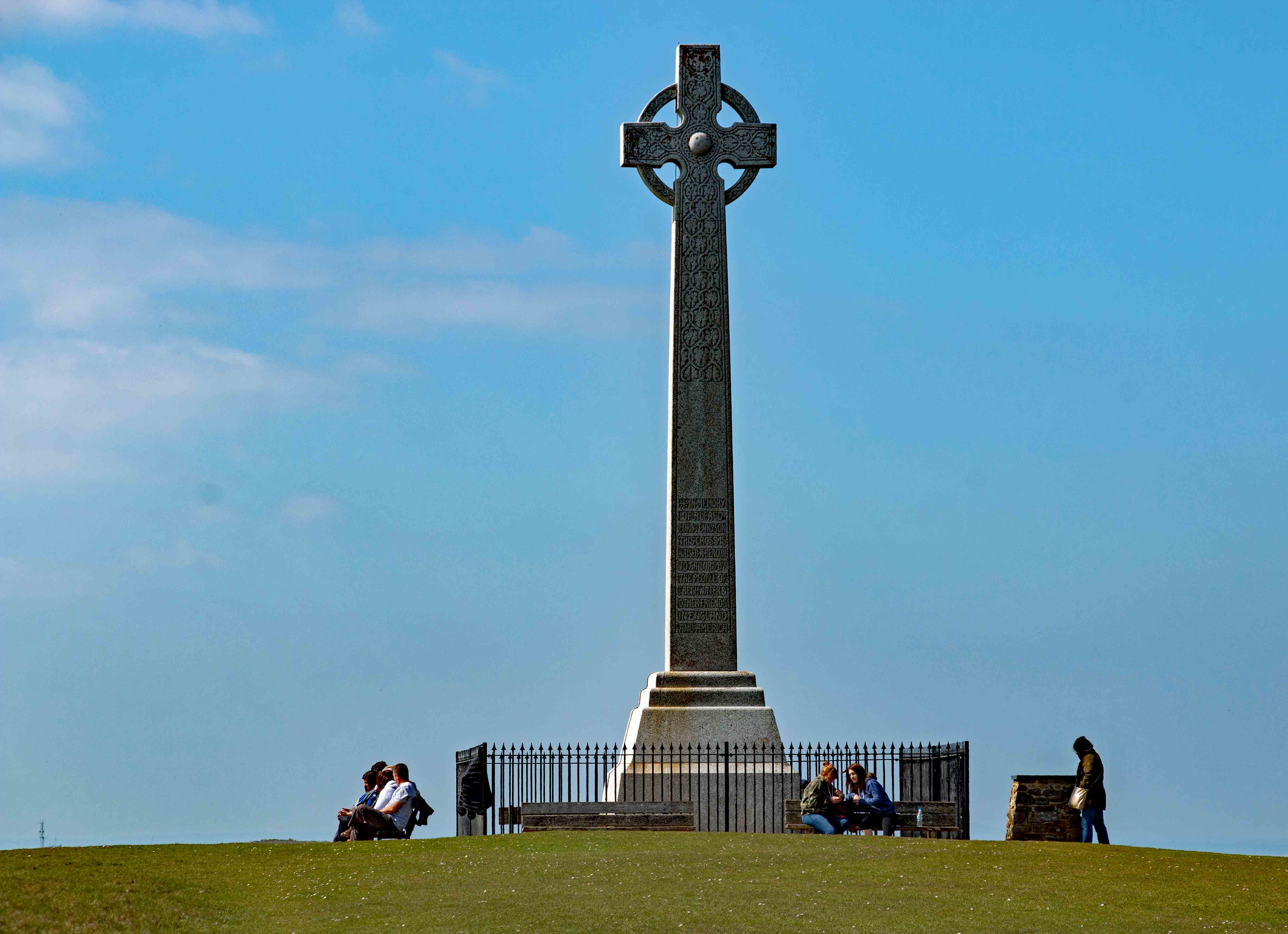
The monument is a tall, simple cross with benches all around the base (we needed to sit after the slightly uphill walk). It is a tribute to poet Alfred Lord Tennyson, who resided on the isle with his wife, Emily, for many years. He encouraged a friend to “leave behind the noise and smoke of town” and come to Freshwater, where his home, Farringford, still stands and has rooms available to rent.
Hiking back toward the Alum Bay attractions, we came upon a family picnicking with two small boys running freely in the open meadow. It was such a lovely sight, I walked up and offered to take a photo of them. A long, lovely conversation ensued with Caroline and Jay, and new friends were made.
We returned to the test missile site, toured the bunkers, and then went on to the old battery.
There is a small fee to enter the Needles Old Battery, a Victorian-era defense post, but it is filled with storerooms, barracks, canons, a long descent down a spiral staircase to a lookout post, and a very worthwhile tea room. It was the middle of the afternoon by this point, so we were pleased that they were still serving lunch and even had quiche left (it is my favorite, and always the first thing eateries run out of!) We lucked into sitting at bar stools facing the Needles below while we ate a very pleasant meal.
History buffs have plenty to read about the building of the battery and the defense it provided. It originally was constructed between 1861 and 1863 to guard against invasion by the French and updated with bigger, more powerful guns during the two world wars to help protect the naval dockyards at Portsmouth, but the guns were never fired during wartime.
From the Battery to the Beach
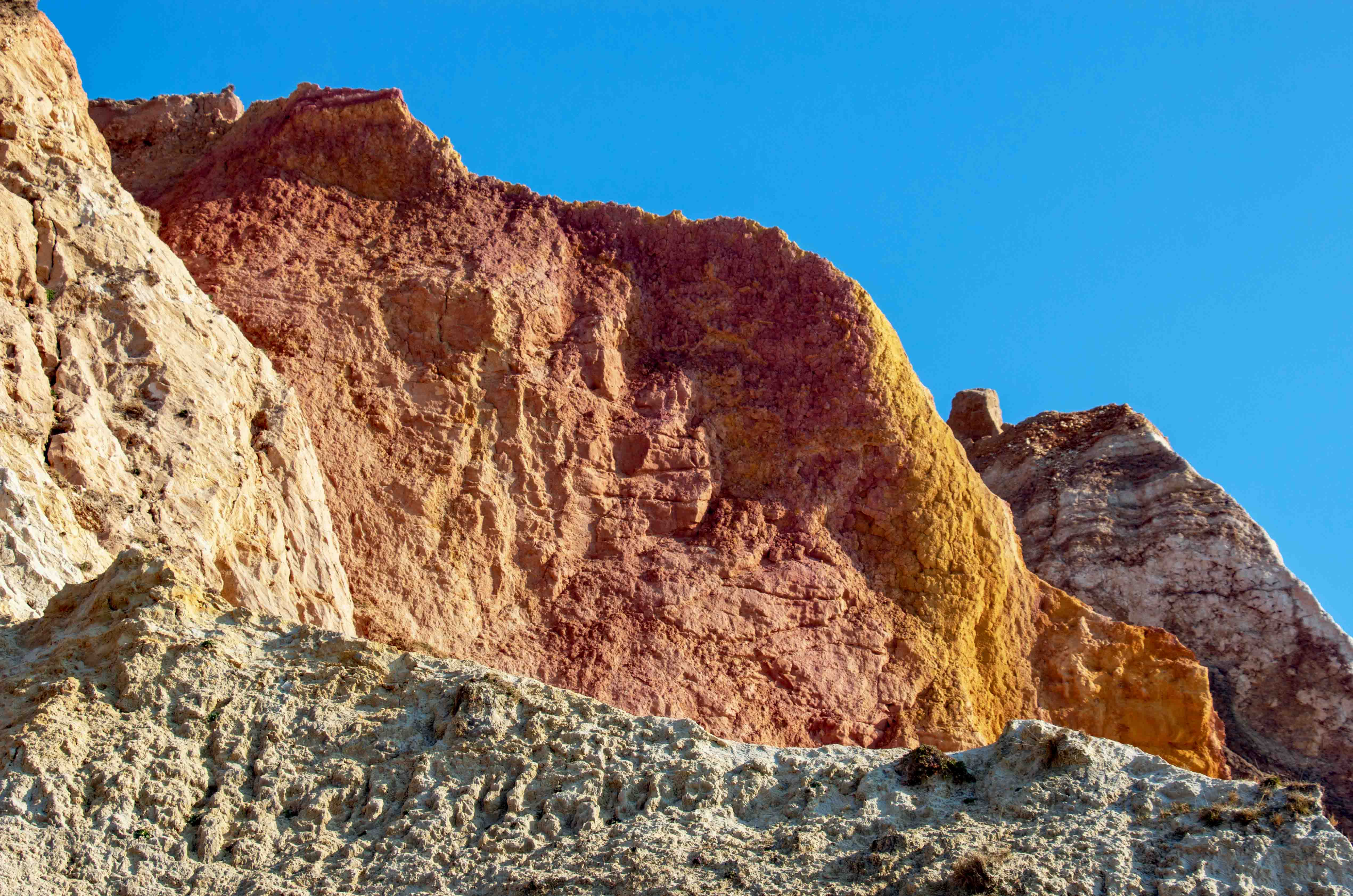
After all the hiking and stairs, we waited for the bus to carry us back down to the shopping and dining area. From there we hiked down hundreds of stairs to the pebble beach below. The sand cliffs of Alum Bay are multi-colored and mainly composed of quartz, feldspar, and mica. The mixing of other minerals gives this highly photographed site the look of a muted, desert-colored rainbow. It was interesting to see them up close. It was also our first experience with the odd sound of waves retreating on a rocky beach; it makes a strangely loud clickety-clack noise. Boat rides are offered here to take guests to get a closer look at the Needles and lighthouse, but they were closing for the day by the time we made our way down.
A bit tired, we paid another small fee for one-way ski lift rides back up to the main area and bus stop. It was well worth the price to spare our legs and to have an aerial view of the bay. Everything seemed to close abruptly at 5 p.m. and we were glad to have two hours to rest on our way back to Ryde.
A True Retreat for the Royals
Our second day on the Isle was spent exploring Queen Victoria and Prince Albert’s personal home, Osborne House, in East Cowes. Our knowledge of Victoria is mostly restricted to the first season of the Masterpiece series, and we haven’t seen the recent movie “Victoria & Abdul,” which was partially filmed at the home. Neither had we done much research about the property, so we didn’t know what to expect.
We thoroughly enjoyed touring their home, which was designed by the prince. Very knowledgeable docents shared information about the family and Prince Albert’s forward-thinking plans and ideas. We were told in the kitchen about Albert designing a cart to keep food warm from the far-away kitchen as it was drawn up to the house. We saw the room where they sat side-by-side working at their desks, and paintings each royal had done. Guests now visit the room and bed where the queen passed away in 1901. At one time it was only available to family as a shrine.
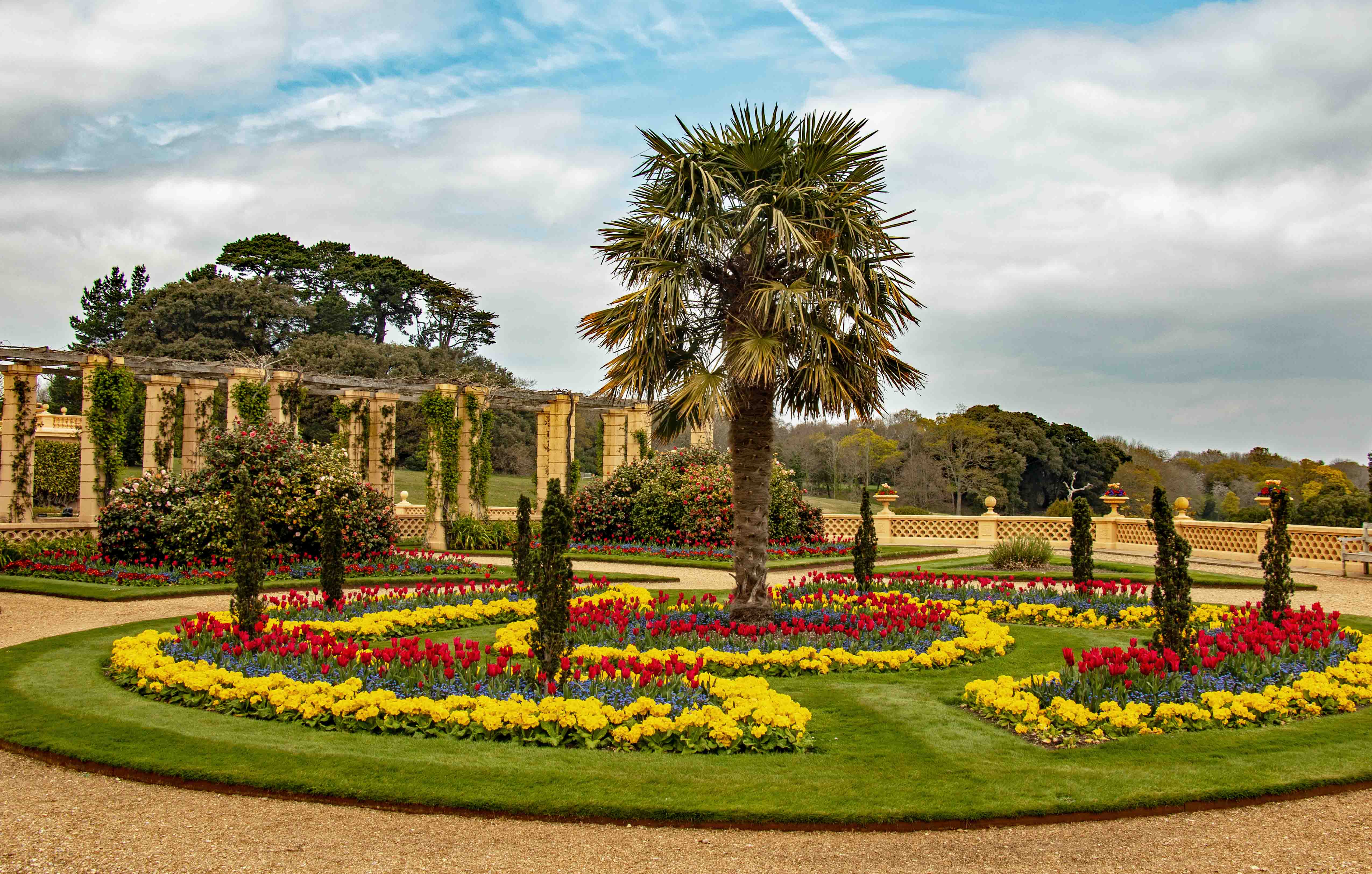
Osborne is a large, lavish estate home, with manicured gardens and a watch tower, and yet you could imagine a family at play there. In fact, a few hundred yards from the house, the children had their own two-story playhouse, the Swiss Cottage. There they invented plays, painted, wrote, tended their own garden plots, sold their produce to their father, and learned how to cook. The later was a skill their mother thought was necessary for royals to know in order to understand the people they serve.
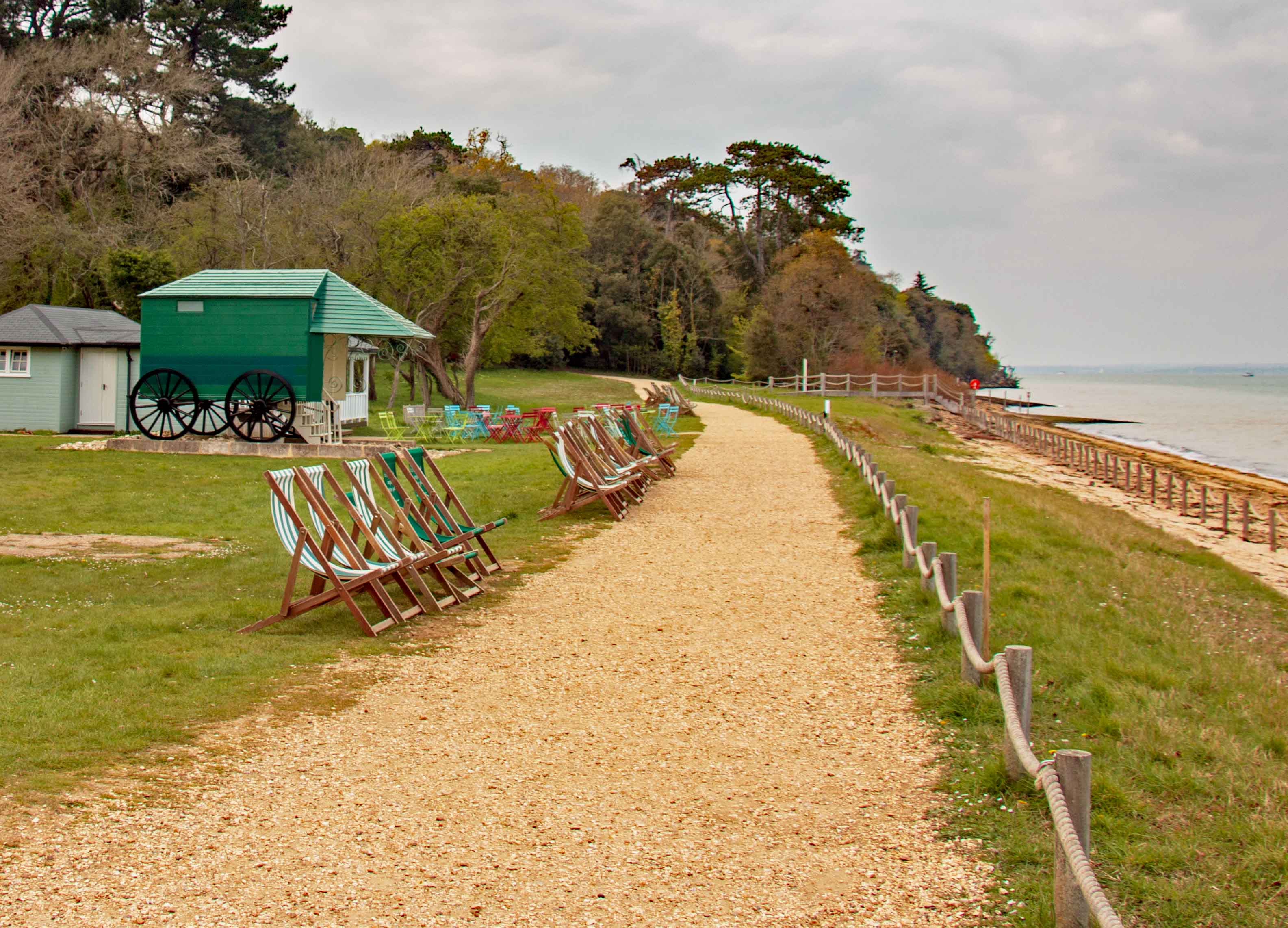
A 15-minute walk from the main house leads to the Solent and the private beach area where the children would swim and Queen Victoria would enjoy the bay waters in the privacy of a bathing house–a horse-drawn hut on wheels towed into the water to shield her from view in her bathing suit, which covered most of her body. My how times change.
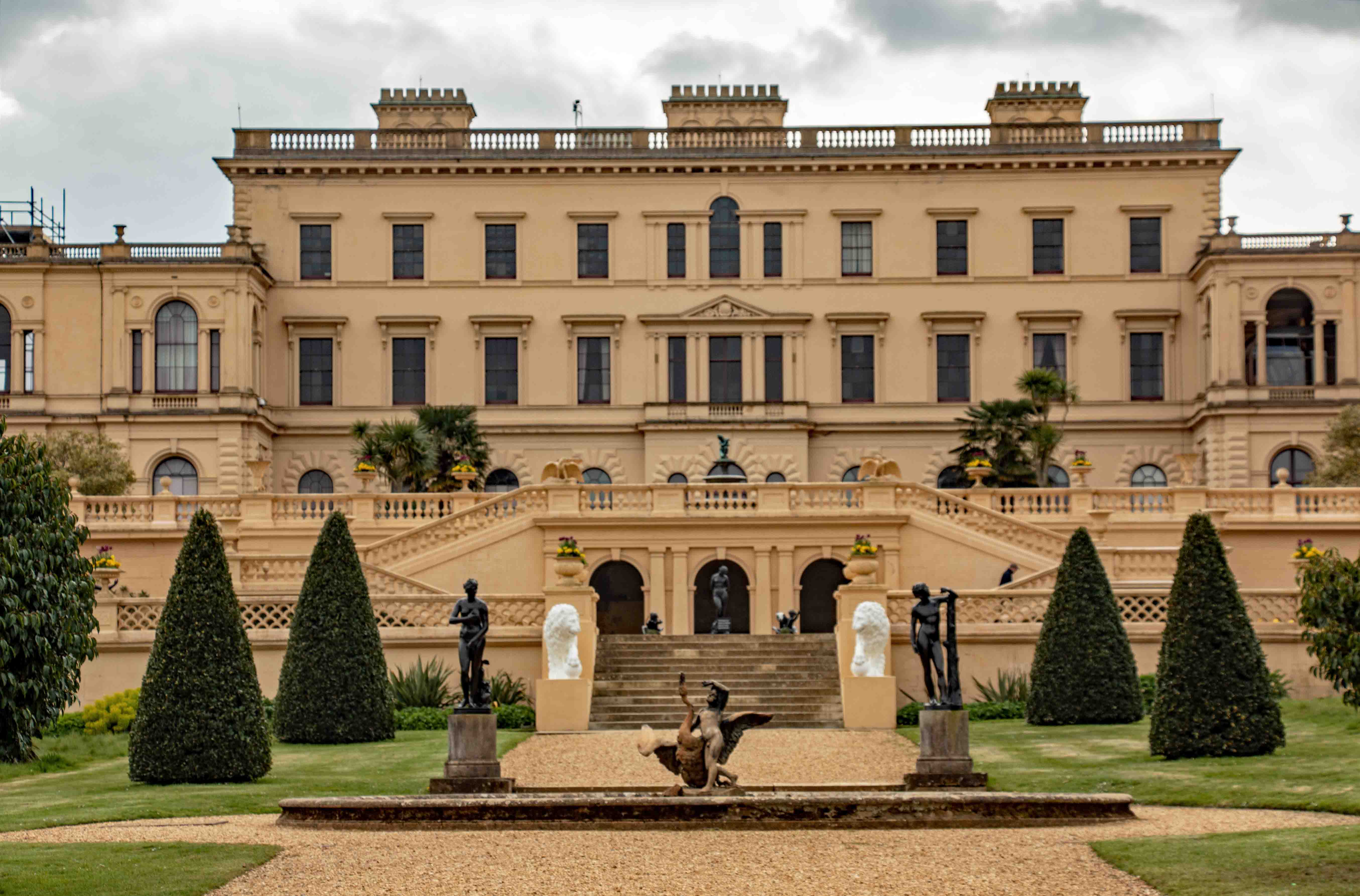
Queen Victoria often wrote of many happy memories at the beach, Swiss Cottage, and Osborne House. One of her favorite writing spots still exists in a little alcove on the beach. Several times we were sitting where the queen and prince sat or where their nine children played. One could imagine what a lovely place it was to grow up and get away from the pressures of the throne.
Before leaving, we took a few minutes to visit the walled garden. Many things were not yet in bloom in early April, but we did enjoy the orderliness of the functional fruit, vegetable, and flower garden. There is also a gift shop and a small café to enjoy.
Another highlight of the visit was two extremely long conversations with British visitors. The first set had three mini-schnauzers with them, and since we own two, we had to talk about the fur-kids. And the other set we enjoyed talking about travel and a variety of things with. Each loved coming to Osborne and all of us hope to be back again one day.
We had one more surprise before leaving Ryde. Our Airbnb host asked if we had seen the book on the side table about her late husband, Norman Gaches. We had not, but I glanced through it as quickly as possible and learned that he was a well-known woodcarver who created more than 200 figureheads for ships and yachts. On our trip to Portsmouth we got to see his work firsthand on the bow of the HMS Warrior.
[ngg src=”galleries” ids=”8″ display=”pro_mosaic”]

