
The ferry from Ireland to Wales disembarked at Holyhead. And yet the police patrolling the port were from Heddlu. At least that’s what their uniforms proclaimed: “Heddlu Police.”
It took sightings of the “Heddlu police” at three more villages before realizing that heddlu was the Welsh word for police, not a place name.
Welcome to Wales, a marvelous mix of the familiar and exotic.
Wales, of course, is part of the U.K. It’s easy for American visitors to get around, order food, and buy groceries, since everyone speaks our language.
 It’s also a land of quaint and quirky exotic touches, including the delightfully difficult Welsh tongue.
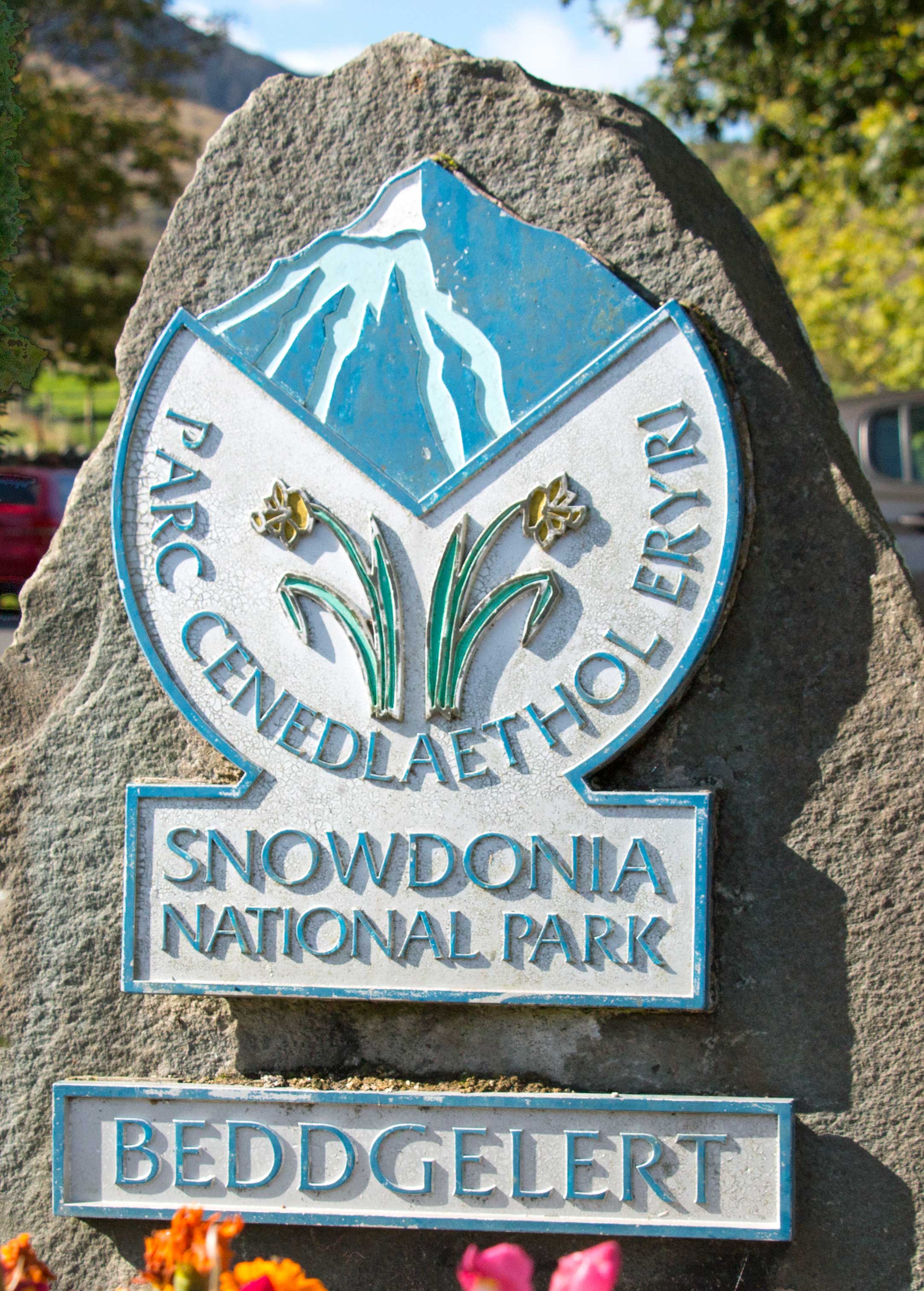
The Welsh are also very proud of their Brythonic Celtic heritage, which includes their native language. All the signs—at least in Anglesey in northwest Wales, where we spent four enchanting days last fall—are in Welsh and English, with the former taking precedence over the latter.
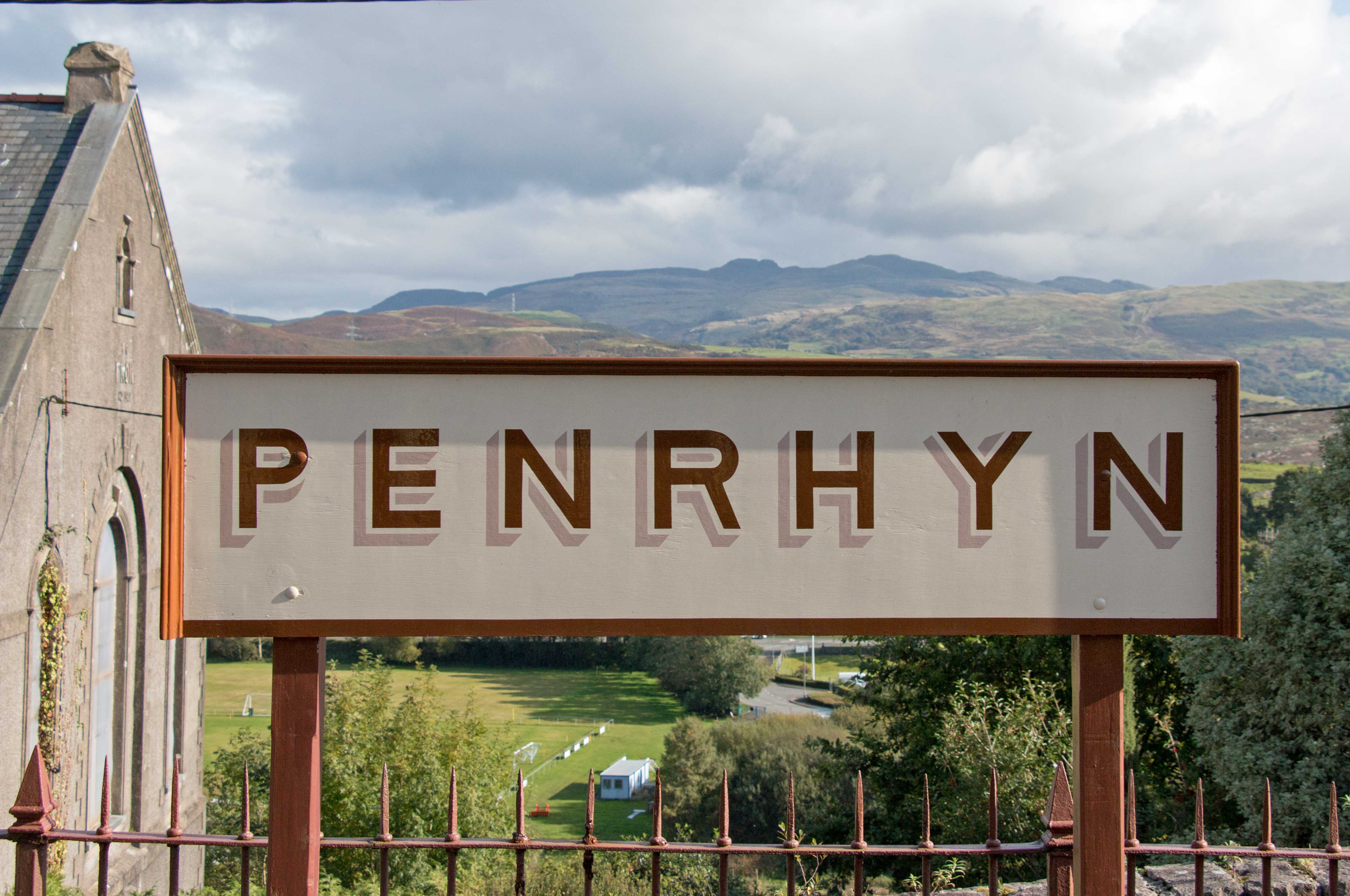
It can be confusing. I thought the village down the hill from Henllys, where we stayed, was called Eglwys, because that was on the sign outside the church. Eglwys Church. It turns out that Eglwys is the Welsh word for church.
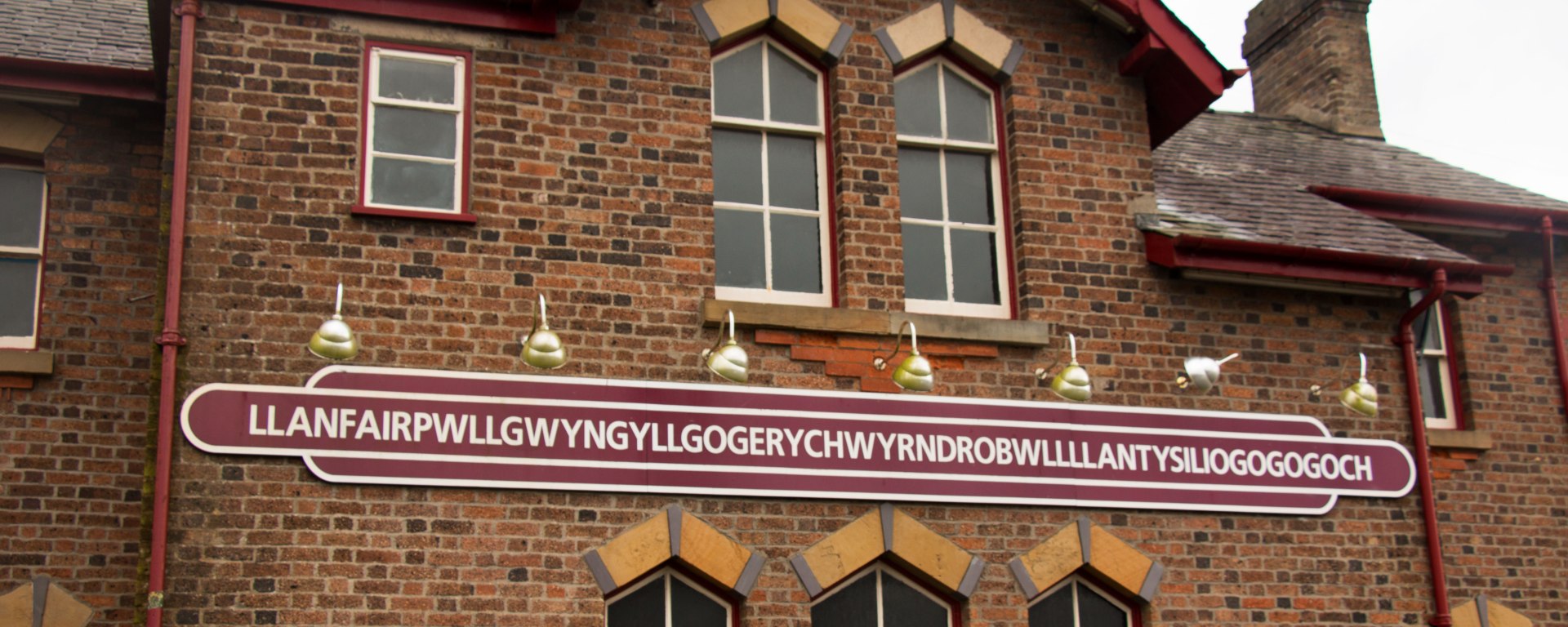
Like most words in the Welsh language, a deficiency of vowels makes Eglwys a challenge to pronounce for visitors. But at least it’s possible to make a guess. Unlike the Anglesey village with the longest name in the world: Llanfairpwllgwyngyllgogerychwyrndrobwllllantysiliogogogoch. Or, in English, “Saint Mary’s Church in the hollow of white hazel near a rapid whirlpool and the Church of Saint Tysilio near the red cave.”
 The Welsh are happy to say it for you. Just don’t expect to be able to repeat it back. But that’s OK. Even the locals usually don’t say the whole thing, shortening it to something that sounds like “Lan fair go go go.”
It adds a certain charm to this part of the country. A café in a small village offered not just a full Welsh breakfast—a heaping helping of sausage, bacon, eggs, fried tomatoes, mushrooms, black pudding and white pudding (just like the black variety, but without the blood)—but the added benefit of hearing the native language spoken at the next table.
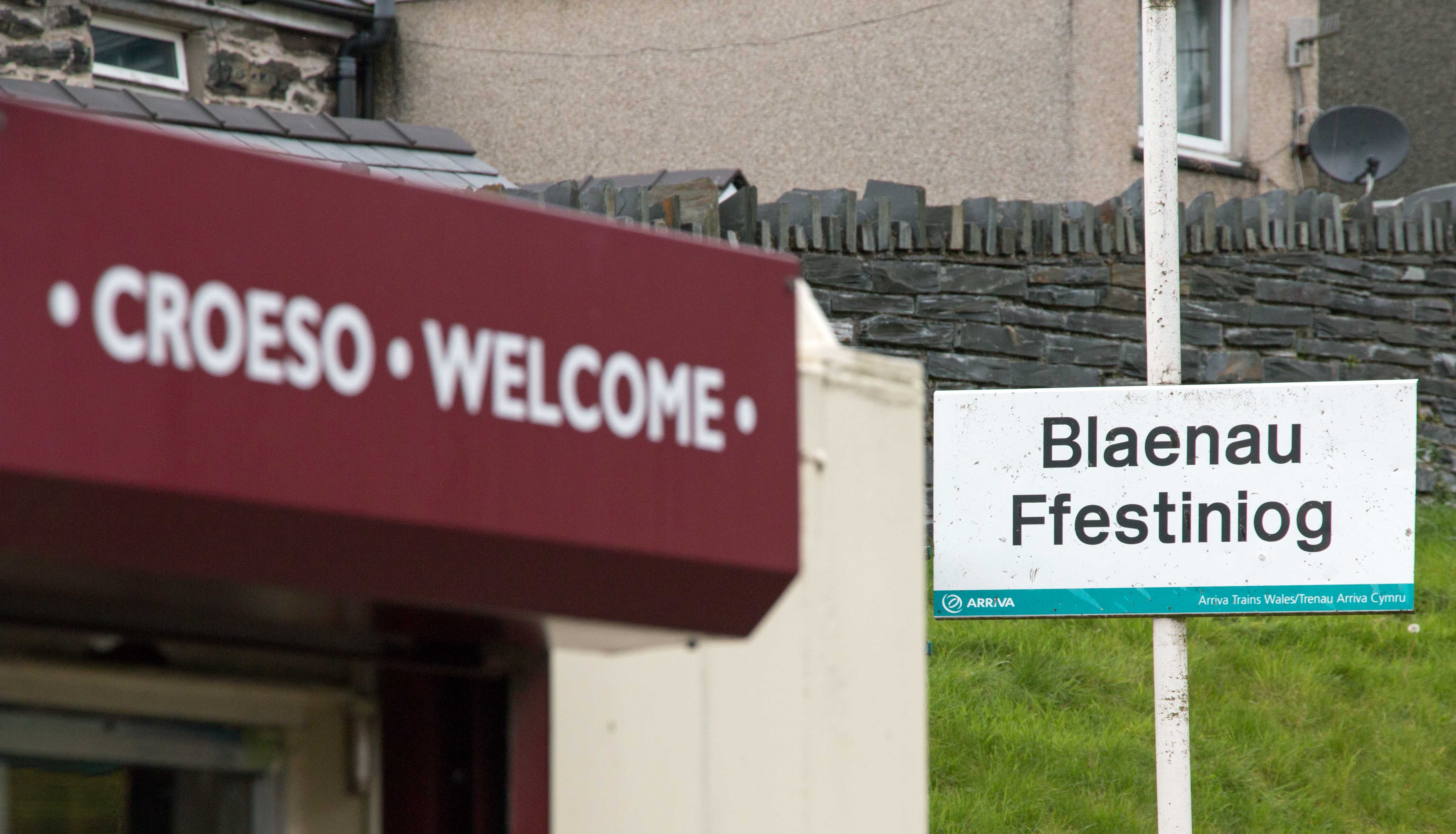
Northwest Wales is a region that clings to the old ways. Sadly, it’s not joined by the rest of the country. Anglesey and Gwynedd, the county on the other side of the Menai Strait, are the only two where more than half the population is fluent in Welsh, according to the most recent census.
But thankfully, at least it’s alive and well here in this little corner of Cymru.


LOVE this! I especially like the shortened village name, “Ian fair go go go” ❤